Solo Rail Travel in India: Safe and Confident
Solo Rail Travel in India: Confidence, Safety and Smart Habits
The first time I boarded a long-distance train alone in India, I was more nervous than I needed to be. I had pictured every worst case and none of the quiet pleasures. Many trips later, solo rail travel is something I genuinely look forward to: the freedom to set my own pace, the easy conversations, the long hours of watching the country roll by. If you are weighing your first solo journey, here is the practical, reassuring guidance I wish I had started with.
Choosing the right train and berth
Solo comfort begins at the booking stage. When I buy my train tickets for a journey alone, I think carefully about class, berth and timing rather than simply grabbing the cheapest option.
A few choices that make solo travel easier:
- Pick a daytime arrival where possible, so you are not navigating a new city at 3 a.m.
- Choose an upper berth for overnight solo trips so that you can lie down whenever you like and your luggage stays close.
- Consider AC classes for the first solo trip, where the enclosed coach feels calmer and more secure.
- Use women’s coaches or quotas where available, which many solo women travellers find reassuring.
A simple safety checklist
Solo travel calls for awareness, not anxiety. Most concerns are handled by a few sensible habits rather than a complicated plan.
|
Habit |
Why it helps |
|
Share your plan |
A friend or family member knows your train and timing |
|
Carry document copies |
Digital and one printed, in case a phone dies |
|
Secure your luggage |
A chain lock to the berth frame deters opportunists |
|
Keep valuables close |
A small bag you sleep with, not in the overhead rack |
|
Trust your instincts |
Move berths or alert staff if something feels off |
None of these are dramatic. Together they let you relax into the journey instead of watching your bag all night.
Tracking your reservation as a solo traveller
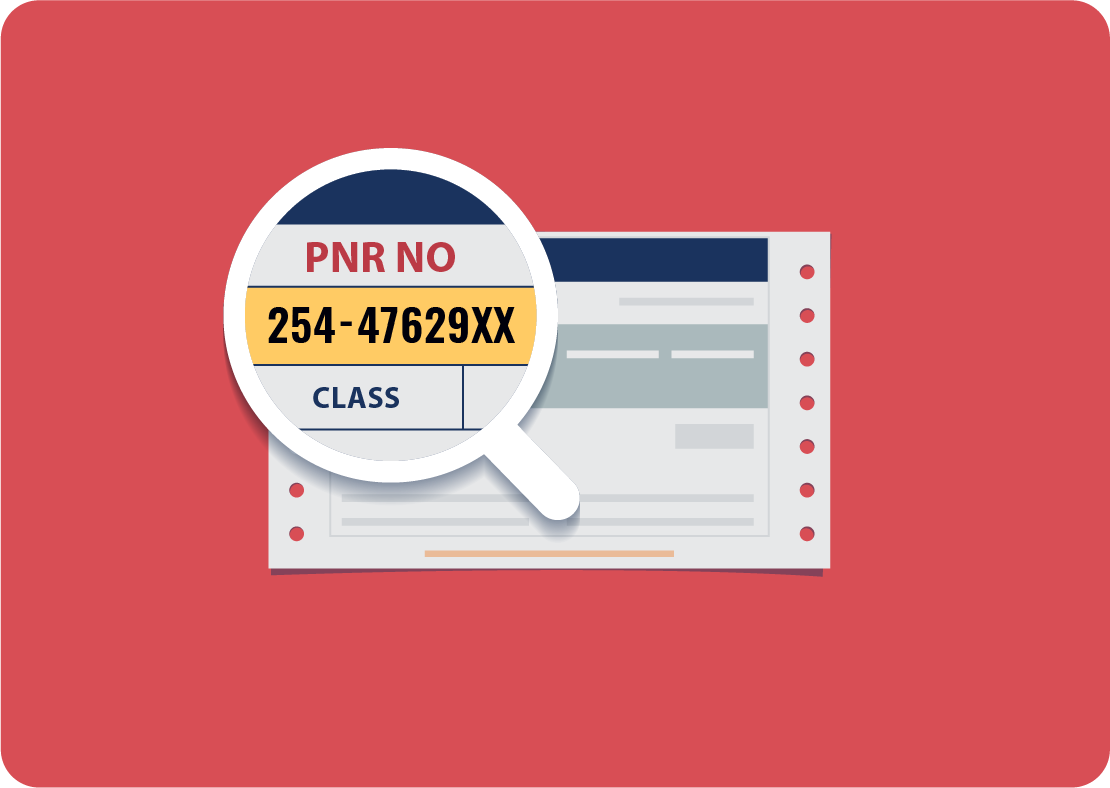
When you travel alone, there is no one else to share the planning, so keeping an eye on your pnr status matters. I check a few days before travel and again the night before. If my berth is confirmed, I relax. If it is still RAC or waitlisted, I decide early whether to hold or arrange a backup, rather than discovering a problem on the platform alone.
For a solo traveller, that early clarity is worth a great deal, it means you arrive at the station knowing exactly where you stand.
Meeting people without losing your space
One of the happiest surprises of solo rail travel is how naturally you meet people. Without a companion to talk to, conversations begin more easily with the family across the aisle, the student heading home, the older traveller full of stories.
The balance I have learned:
- Be open but unhurried. A shared snack or a small question often starts a warm conversation.
- Keep some quiet time too. A book or the window is a perfectly good companion.
- Stay polite if you want privacy. A friendly smile and headphones signal it gently.
- Enjoy the brief connections. Most last only a journey, and that is part of their charm.
Some of my most memorable travel conversations have happened in the hours between stations, with people I never saw again.
The quiet pleasures of travelling alone
Beyond logistics, solo rail travel offers something harder to plan for. You notice more when you are not in conversation the whole time. You watch the light change over the fields, listen to the rhythm of the track, and let your thoughts wander. You answer to no one’s schedule but your own.
There is a particular calm in a long solo journey a pause from the noise of ordinary life. Many travellers find it is exactly this, rather than any destination, that draws them back to the rails alone.
Building confidence trip by trip
Confidence is not something you arrive with; it is something you build. My first solo trip was a short daytime journey. The next was an overnight run. Before long, multi-day solo rail trips felt natural. Each small success finding the right platform, settling into a berth, navigating a new station adds to a quiet self-trust that stays with you long after the journey ends.
If you are hesitating, start small. A few hours by train alone teaches you more than any amount of worrying, and almost always proves the worry was the hardest part.
Packing light for a solo journey
When you travel alone, you carry everything yourself through stations, over footbridges, up to upper berths. That single fact is the best argument for packing light there is. One manageable bag turns every transition from a struggle into a non-event.
My solo packing principles:
- One bag you can carry comfortably for a long platform walk.
- A small day-bag for valuables, documents and anything you want close overnight.
- Versatile, layerable clothing rather than an outfit for every possibility.
- A power bank, lock, torch and basic medicines — the small things that prevent big problems.
Travelling light is not just physical ease; it clears the mind. With less to manage, you pay more attention to the journey and the people in it.
Handling the unexpected on your own
Solo travel means you are your own problem-solver, and that is a skill that grows quickly. A delayed train, a missed connection, a platform change alone, you simply handle them, and each time you do, the next surprise feels smaller.
A few calm responses I rely on:
- Check the facts first — the live status, the next option before deciding anything.
- Ask staff or fellow travellers; people are generally kind and helpful.
- Keep a backup in mind, such as a later train or a state-run bus.
- Build in buffer time so a single delay never becomes a crisis.
The confidence this builds is one of solo travel’s quiet gifts. You learn that you can manage, and that knowledge outlasts the trip.
The freedom that keeps me coming back
For all the planning, the real reason I travel solo by rail is the freedom. I wake when I like, linger where I want, and let the day shape itself. There is no negotiating the itinerary, no compromise on pace. A long solo journey is a rare stretch of time that belongs entirely to you, with the country sliding past the window as company enough. Once you have felt that, the small effort of planning a solo trip seems a very fair price.
Staying connected and reachable
Travelling alone, it is worth staying reachable without being glued to your phone. I share my train details with someone at home, keep my phone charged with a power bank, and note the railway helpline number 139 in case I need assistance. A quick message at the start and end of a journey reassures the people who care about you and costs nothing. Connectivity can drop in remote stretches, so I let people know in advance when I might be out of signal rather than worrying them with silence.
Frequently asked questions
Is solo train travel safe for women in India?
Many women travel solo by train comfortably. Choosing AC classes or women’s coaches where available, securing luggage, sharing your plan and trusting your instincts make it safer and far less stressful.
Which train class is best for solo travellers?
For a first solo trip, an AC class feels calmer and more secure. An upper berth is ideal for overnight solo journeys, as you can rest whenever you like and keep your luggage close.
How do I handle an unconfirmed ticket when travelling alone?
Check your PNR status a few days before and again the night before. If it is still waitlisted, decide early whether to hold or arrange a backup, so you are never caught out at the station on your own.
What should a solo traveller pack for an Indian train trip?
Pack light in one manageable bag: versatile clothing, a power bank, a chain lock, a torch, basic medicines, water, snacks, and a printed copy of your ticket and ID. A small day-bag for valuables you keep close completes the kit.
Solo Rail Travel in India: Confidence, Safety and Smart Habits
The first time I boarded a long-distance train alone in India, I was more nervous than I needed to be. I had pictured every worst case and none of the quiet pleasures. Many trips later, solo rail travel is something I genuinely look forward to: the freedom to set my own pace, the easy conversations, the long hours of watching the country roll by. If you are weighing your first solo journey, here is the practical, reassuring guidance I wish I had started with.
Choosing the right train and berth
Solo comfort begins at the booking stage. When I buy my train tickets for a journey alone, I think carefully about class, berth and timing rather than simply grabbing the cheapest option.
A few choices that make solo travel easier:
- Pick a daytime arrival where possible, so you are not navigating a new city at 3 a.m.
- Choose an upper berth for overnight solo trips so that you can lie down whenever you like and your luggage stays close.
- Consider AC classes for the first solo trip, where the enclosed coach feels calmer and more secure.
- Use women’s coaches or quotas where available, which many solo women travellers find reassuring.
A simple safety checklist
Solo travel calls for awareness, not anxiety. Most concerns are handled by a few sensible habits rather than a complicated plan.
|
Habit |
Why it helps |
|
Share your plan |
A friend or family member knows your train and timing |
|
Carry document copies |
Digital and one printed, in case a phone dies |
|
Secure your luggage |
A chain lock to the berth frame deters opportunists |
|
Keep valuables close |
A small bag you sleep with, not in the overhead rack |
|
Trust your instincts |
Move berths or alert staff if something feels off |
None of these are dramatic. Together they let you relax into the journey instead of watching your bag all night.
Tracking your reservation as a solo traveller
When you travel alone, there is no one else to share the planning, so keeping an eye on your pnr status matters. I check a few days before travel and again the night before. If my berth is confirmed, I relax. If it is still RAC or waitlisted, I decide early whether to hold or arrange a backup, rather than discovering a problem on the platform alone.
For a solo traveller, that early clarity is worth a great deal, it means you arrive at the station knowing exactly where you stand.
Meeting people without losing your space
One of the happiest surprises of solo rail travel is how naturally you meet people. Without a companion to talk to, conversations begin more easily with the family across the aisle, the student heading home, the older traveller full of stories.
The balance I have learned:
- Be open but unhurried. A shared snack or a small question often starts a warm conversation.
- Keep some quiet time too. A book or the window is a perfectly good companion.
- Stay polite if you want privacy. A friendly smile and headphones signal it gently.
- Enjoy the brief connections. Most last only a journey, and that is part of their charm.
Some of my most memorable travel conversations have happened in the hours between stations, with people I never saw again.
The quiet pleasures of travelling alone
Beyond logistics, solo rail travel offers something harder to plan for. You notice more when you are not in conversation the whole time. You watch the light change over the fields, listen to the rhythm of the track, and let your thoughts wander. You answer to no one’s schedule but your own.
There is a particular calm in a long solo journey a pause from the noise of ordinary life. Many travellers find it is exactly this, rather than any destination, that draws them back to the rails alone.
Building confidence trip by trip
Confidence is not something you arrive with; it is something you build. My first solo trip was a short daytime journey. The next was an overnight run. Before long, multi-day solo rail trips felt natural. Each small success finding the right platform, settling into a berth, navigating a new station adds to a quiet self-trust that stays with you long after the journey ends.
If you are hesitating, start small. A few hours by train alone teaches you more than any amount of worrying, and almost always proves the worry was the hardest part.
Packing light for a solo journey
When you travel alone, you carry everything yourself through stations, over footbridges, up to upper berths. That single fact is the best argument for packing light there is. One manageable bag turns every transition from a struggle into a non-event.
My solo packing principles:
- One bag you can carry comfortably for a long platform walk.
- A small day-bag for valuables, documents and anything you want close overnight.
- Versatile, layerable clothing rather than an outfit for every possibility.
- A power bank, lock, torch and basic medicines — the small things that prevent big problems.
Travelling light is not just physical ease; it clears the mind. With less to manage, you pay more attention to the journey and the people in it.
Handling the unexpected on your own
Solo travel means you are your own problem-solver, and that is a skill that grows quickly. A delayed train, a missed connection, a platform change alone, you simply handle them, and each time you do, the next surprise feels smaller.
A few calm responses I rely on:
- Check the facts first — the live status, the next option before deciding anything.
- Ask staff or fellow travellers; people are generally kind and helpful.
- Keep a backup in mind, such as a later train or a state-run bus.
- Build in buffer time so a single delay never becomes a crisis.
The confidence this builds is one of solo travel’s quiet gifts. You learn that you can manage, and that knowledge outlasts the trip.
The freedom that keeps me coming back
For all the planning, the real reason I travel solo by rail is the freedom. I wake when I like, linger where I want, and let the day shape itself. There is no negotiating the itinerary, no compromise on pace. A long solo journey is a rare stretch of time that belongs entirely to you, with the country sliding past the window as company enough. Once you have felt that, the small effort of planning a solo trip seems a very fair price.
Staying connected and reachable
Travelling alone, it is worth staying reachable without being glued to your phone. I share my train details with someone at home, keep my phone charged with a power bank, and note the railway helpline number 139 in case I need assistance. A quick message at the start and end of a journey reassures the people who care about you and costs nothing. Connectivity can drop in remote stretches, so I let people know in advance when I might be out of signal rather than worrying them with silence.
Frequently asked questions
Is solo train travel safe for women in India? Many women travel solo by train comfortably. Choosing AC classes or women’s coaches where available, securing luggage, sharing your plan and trusting your instincts make it safer and far less stressful.
Which train class is best for solo travellers? For a first solo trip, an AC class feels calmer and more secure. An upper berth is ideal for overnight solo journeys, as you can rest whenever you like and keep your luggage close.
How do I handle an unconfirmed ticket when travelling alone? Check your PNR status a few days before and again the night before. If it is still waitlisted, decide early whether to hold or arrange a backup, so you are never caught out at the station on your own.
What should a solo traveller pack for an Indian train trip? Pack light in one manageable bag: versatile clothing, a power bank, a chain lock, a torch, basic medicines, water, snacks, and a printed copy of your ticket and ID. A small day-bag for valuables you keep close completes the kit.